Hilti supports the Living Lab HIL
The Hilti Group, an international construction technology company, will support ETH Zurich’s Living Lab HIL as a funding partner from 2026 to 2028. The collaboration focuses on new approaches to sustainable, future-oriented construction and on strengthening the exchange between research and practice.
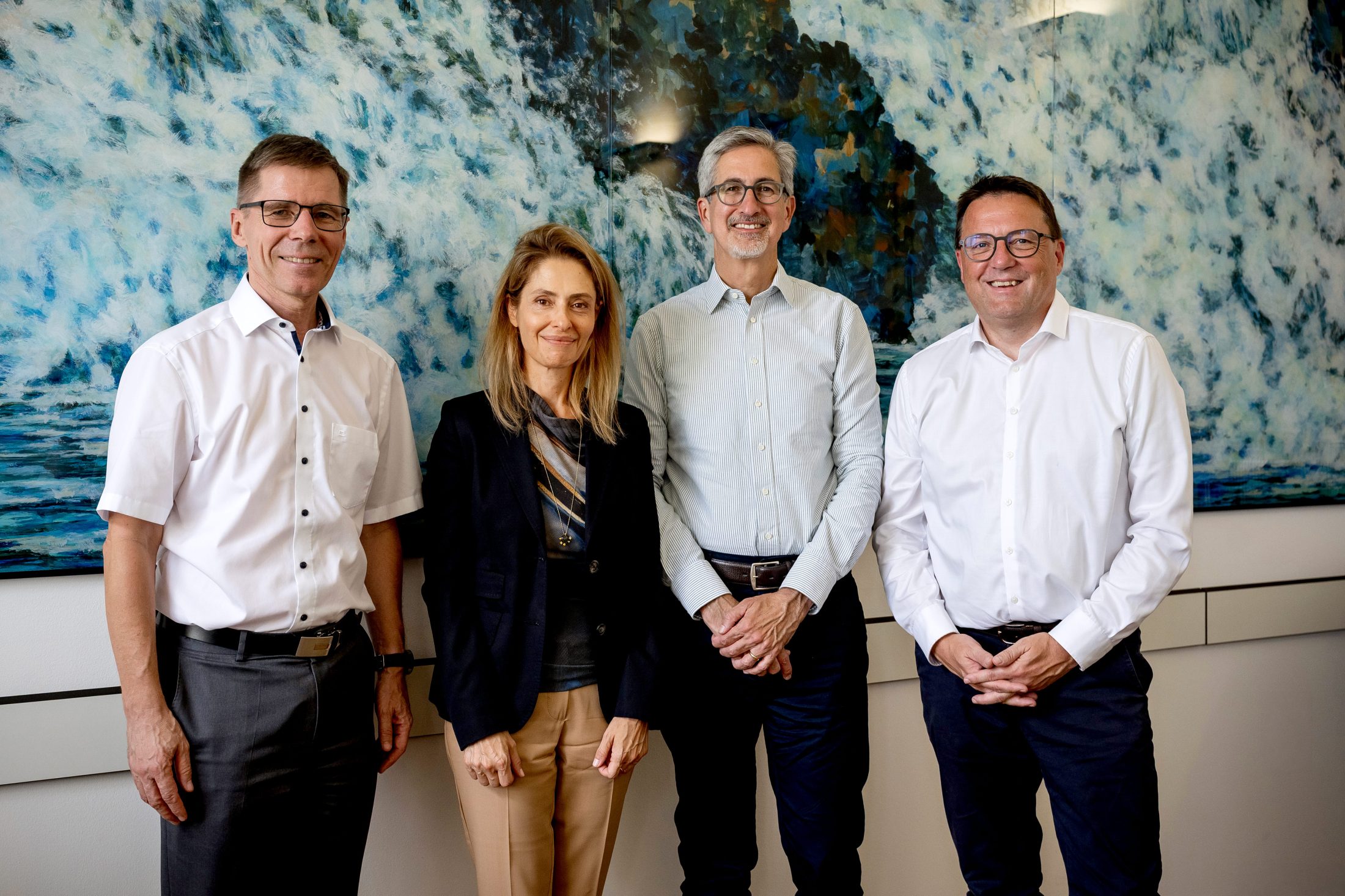
© ETH Foundation / Daniel Winkler
© ETH Foundation / Daniel Winkler
The Living Lab HIL combines the renovation and expansion of the HIL building on the Hönggerberg campus with research under real-world conditions. Rather than replacing the existing building with a new one, the structure will be retained and modernised while being further developed as a research environment. New approaches to energy-efficient, resource-conscious and circular construction will be investigated and tested in practice.
Testing new solutions together
As part of the partnership, ETH Zurich researchers and Hilti experts will work together on selected topics. Key areas include timber construction, structural reinforcement of existing buildings, digital planning and construction processes, and the use of robotics on construction sites. The collaboration provides an opportunity to combine scientific findings with practical experience and requirements from the construction industry, and to investigate new solutions under real-world conditions.
“Innovation always starts with a problem faced by our customers. Especially when it comes to complex challenges, collaboration with researchers can provide valuable impetus for developing new solutions. The Living Lab HIL provides an environment in which we can develop, test and improve these new approaches. In this way, we can contribute to making the future of construction more sustainable and productive,” says Tassilo Deinzer, member of the Executive Board of the Hilti Group.
Partnership with industry
With Hilti, the Living Lab HIL is expanding its network of partners from academia and industry. The funding partnership will help complement research questions with perspectives from practice and strengthen knowledge transfer between academia and the construction industry.