Calling all food innovators and agripreneurs!

© MYDO Mushrooms
The ETH Student Project House is a true success story. With donor support, it’s set to gain an additional innovation space dedicated to future-ready agricultural technologies, food processing methods and products: the ETH Food Lab.
The Student Project House (SPH) at ETH Zurich offers students creative spaces to experiment freely, build prototypes and develop an entrepreneurial mindset. Its two locations on the Campus Zentrum and Hönggerberg are home to coworking and maker spaces that offer round-the clock access to infrastructure, tools and devices such as 3D printers and laser cutters. Coaches work with students on their learning journey, helping them review processes, and workshops are held on practical topics such as presentation skills. A network of more than 50 experts from business and industry also provides support – including lawyers, marketing professionals and start-up founders – all of whom contribute pro bono.
Ambitious goals
The SPH is hugely popular among the student community. However, the food and agricultural disciplines have so far not had the benefit of a purpose-built lab environment. This is where the planned ETH Food Lab comes in. Complementing the existing workshops, the new state-of-the-art laboratory will form the heart of a seamless food innovation pipeline: from initial ideation through technical prototyping in the lab to subsequent pilot production, it will be able to deliver market-ready solutions for resource-conscious and climate-friendly food systems. Building on ETH’s outstanding expertise in this field, the ETH Food Lab aims to become a globally leading experimental space for students.
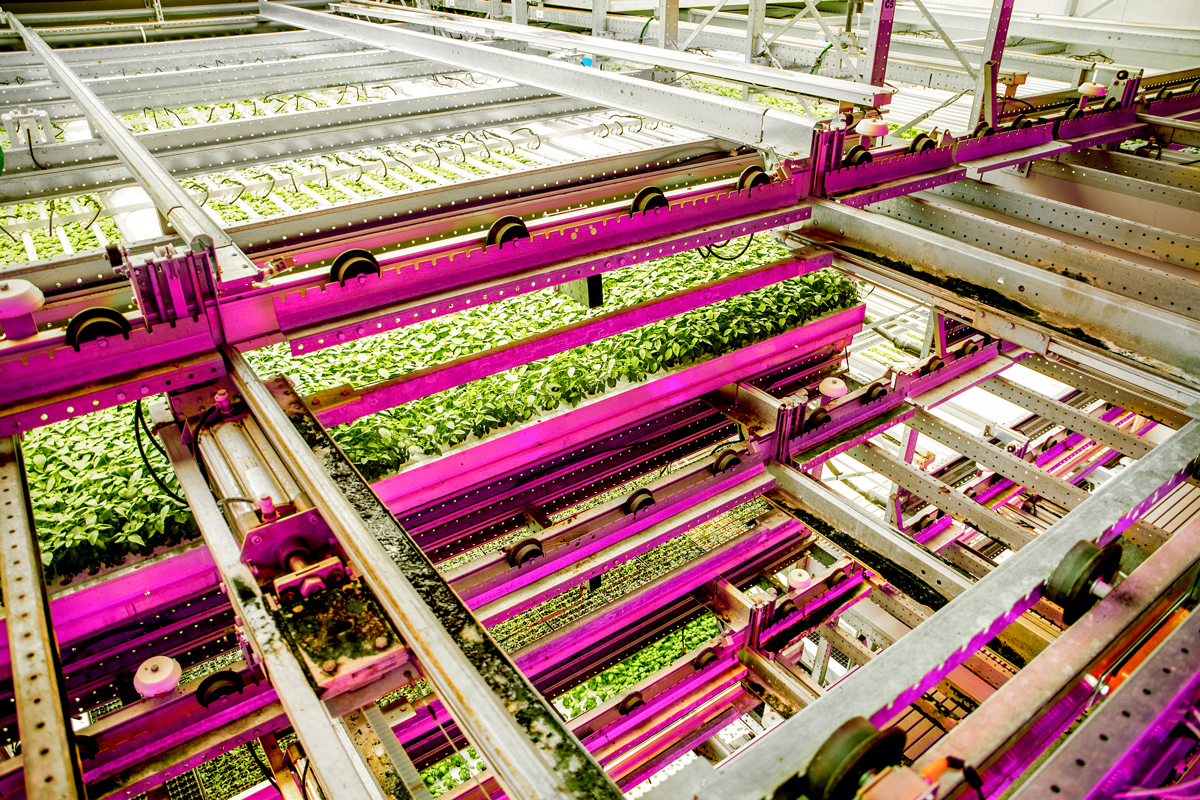
© GreenState AG
After a five-year construction phase, the lab is expected to be used by around 100 project teams each year. Experience shows that students who pursue an SPH project alongside their demanding degree programmes are among the highest performing in Switzerland. What’s more, many of these projects go on to become spin-offs. Each year, nearly a quarter of all ETH spin-off and start-up companies emerge from SPH projects – in 2025, this amounted to 11 out of a total of 46. Expanding the SPH therefore not only enables students to develop skills and launch new companies but ultimately strengthens Switzerland’s position as a business hub too.
Embedded in a dynamic ecosystem
ETH’s academic environment is closely connected with a wide range of stakeholders, including companies in the food sector and related industries, the Zurich University of Applied Sciences (ZHAW) and the Swiss Food & Nutrition Valley in Kemptthal. EPFL in Lausanne and innovation network Swiss Food Research are also key partners.
Synergies are emerging with a food coworking space in Zurich that hosts exciting projects in gastronomy and food production. Plans are in place to share infrastructure, for example in coffee roasting and brewing technology. In future, spin-offs from the ETH Food Lab will be able to continue their work or production there, providing a seamless next step beyond ETH.
Making great things happen – together
The funding required for the planned five-year construction totals around CHF 2.6 million. ETH will contribute in the form of premises and furnishings. The patron of both the new ETH Food Lab and the SPH as a whole is Rector Günther Dissertori. The SPH is led by Lucie Rejman, who completed her doctorate in food process engineering at ETH and co-founded a food-sector start-up. Donors who wish to work with ETH to advance innovative solutions in areas such as plant-based meat alternatives, robot- and drone-assisted precision agriculture or circular food systems are warmly invited to get in touch with the ETH Foundation.

“The Student Project House enables students from a wide range of disciplines to work on projects together and develop strengths like systems thinking and interpersonal competence. I’m constantly impressed by the results that emerge.”
Günther Dissertori
Rector of ETH Zurich