How does philanthropy strengthen ETH Zurich, Daniela Bosshardt?
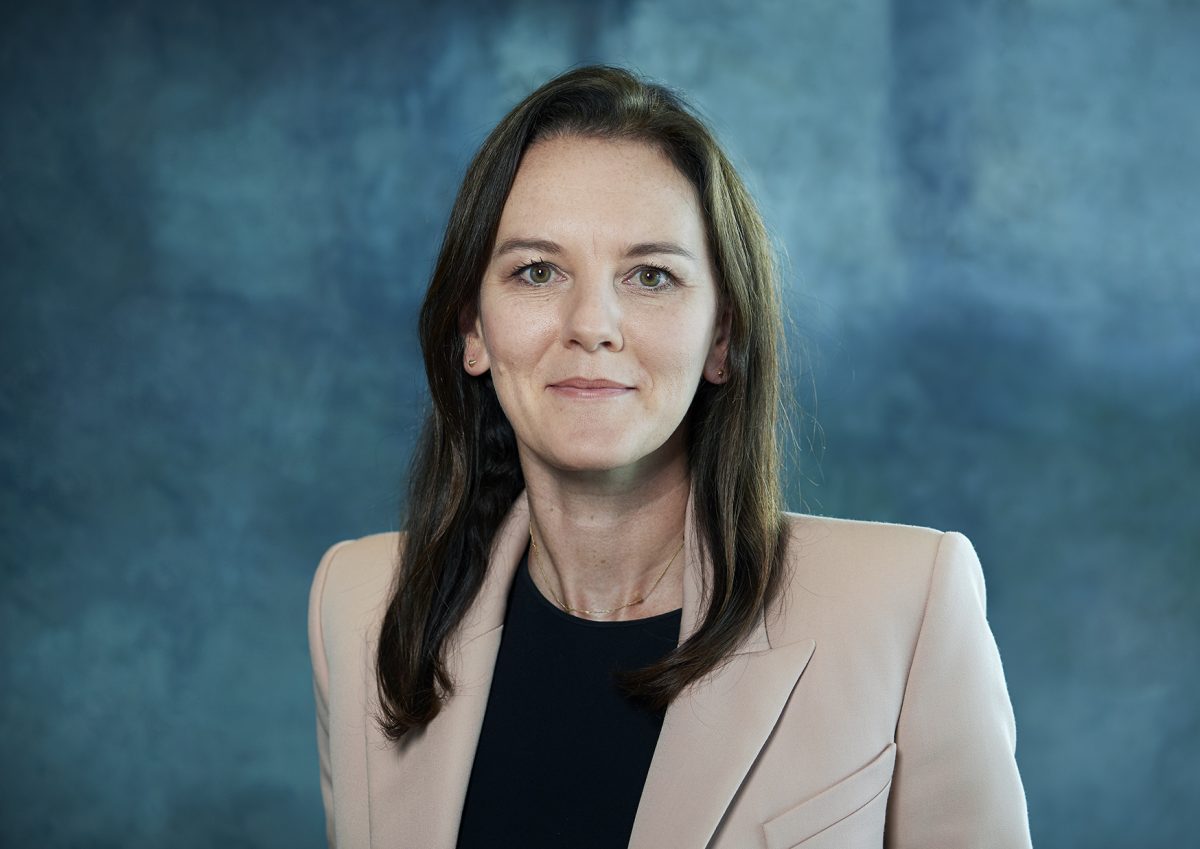
© image supplied
Those who invest in education and research do not think in quarters, but in generations. Daniela Bosshardt serves on the Board of Trustees of the ETH Foundation to strengthen precisely this long-term impact – with strategic foresight and a deep connection to ETH.
What role does philanthropy play at ETH?
DANIELA BOSSHARDT – Philanthropy opens up opportunities for ETH Zurich where public funding reaches its limits. It is flexible and unbureaucratic, enabling bold ideas to be supported even when their success is not yet foreseeable. This freedom is particularly crucial for fundamental research, which ventures into scientific unknowns and lays the groundwork for future innovation. Beyond that, philanthropic engagement empowers outstanding talent and gives them the freedom to realise their full potential. This is all the more significant because the demands placed on ETH continue to grow.
In what way?
Student numbers are rising, and societal challenges are increasing – from climate issues and digitalisation to energy and artificial intelligence. However, public funding for ETH is not growing at the same pace.
Do you believe the societal impact of ETH Zurich is sometimes underestimated?
ETH enjoys considerable recognition, not least thanks to its top positions in international rankings. Yet rankings only partially capture impact. My impression is that the long-term contribution ETH makes to society is sometimes overlooked. Spending on education is often perceived as a cost, when in fact it is an investment: in innovation, in the training of highly qualified professionals, and in Switzerland’s economic competitiveness. Its effects unfold over many years, sometimes decades. If funding is lacking today, the negative consequences become visible only later – but then all the more clearly.
A brief look at your personal background: ETH has been part of your life since childhood.
My father, Hans Hengartner, is an emeritus ETH professor of Immunology. My earliest encounters with the university were enormous folders filled with reports and applications that he studied at home in the evenings, and slide projectors showing images from his research. From an early age, ETH stood for concentration, curiosity and a great deal of hard work. But also for inspiring, passionate people. Later, I studied pharmacy at ETH Zurich myself and experienced first-hand how closely effort and success are connected. At what is now the student café bQm, I not only spent countless hours but also met my husband.
“Every donation goes entirely towards projects and funding programmes at ETH.”
You are Chair of the Investment Committee on the Board of Trustees of the ETH Foundation. What does your role involve?
I share responsibility for ensuring that donated funds are invested securely, responsibly and with a long-term perspective. In doing so, we focus not only on performance and risk management but also on ethical criteria. Our ambition is clear: the operational activities of the ETH Foundation should be financed entirely from investment returns. This ensures that every franc donated benefits its intended purpose at ETH Zurich in full – flowing directly into projects and support programmes at the university. I consider this role a great honour, because ETH has given me so much. As a donor and board member, I am able to give something back while helping to strengthen research and education over the long term.
Is the impact of philanthropy tangible for you on a personal level as well?
Very directly, in fact. Encounters with supported students, young entrepreneurs and researchers are particularly impressive. At ETH Foundation events, for example, you can see how an idea becomes a project, how a vision turns into an actual application – it is mind-blowing. You know in theory that philanthropy has an impact. Experiencing it so immediately is quite another thing. It is impact you can truly feel.
Throughout your career, you have repeatedly emphasized humility as a value. How does that fit with a leading university like ETH?
For me, humility does not mean restraint, but intellectual modesty. In science, this attitude is essential: you constantly question what you believe you know. Insights are never final; they are the starting point for new questions. It is precisely this mindset that makes excellence possible. A leading university remains at the top only if it stays open, thinks critically about itself, and takes responsibility.
Finally, what gives you confidence when you look to the future?
The people and the seriousness with which research and teaching are pursued at ETH. Education and science are our greatest resources. Or, to quote Nelson Mandela: “Education is the most powerful weapon which you can use to change the world.”